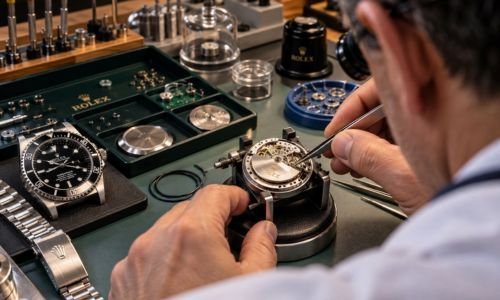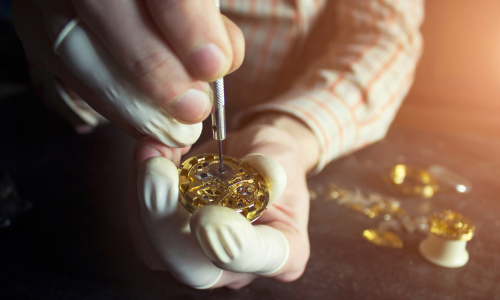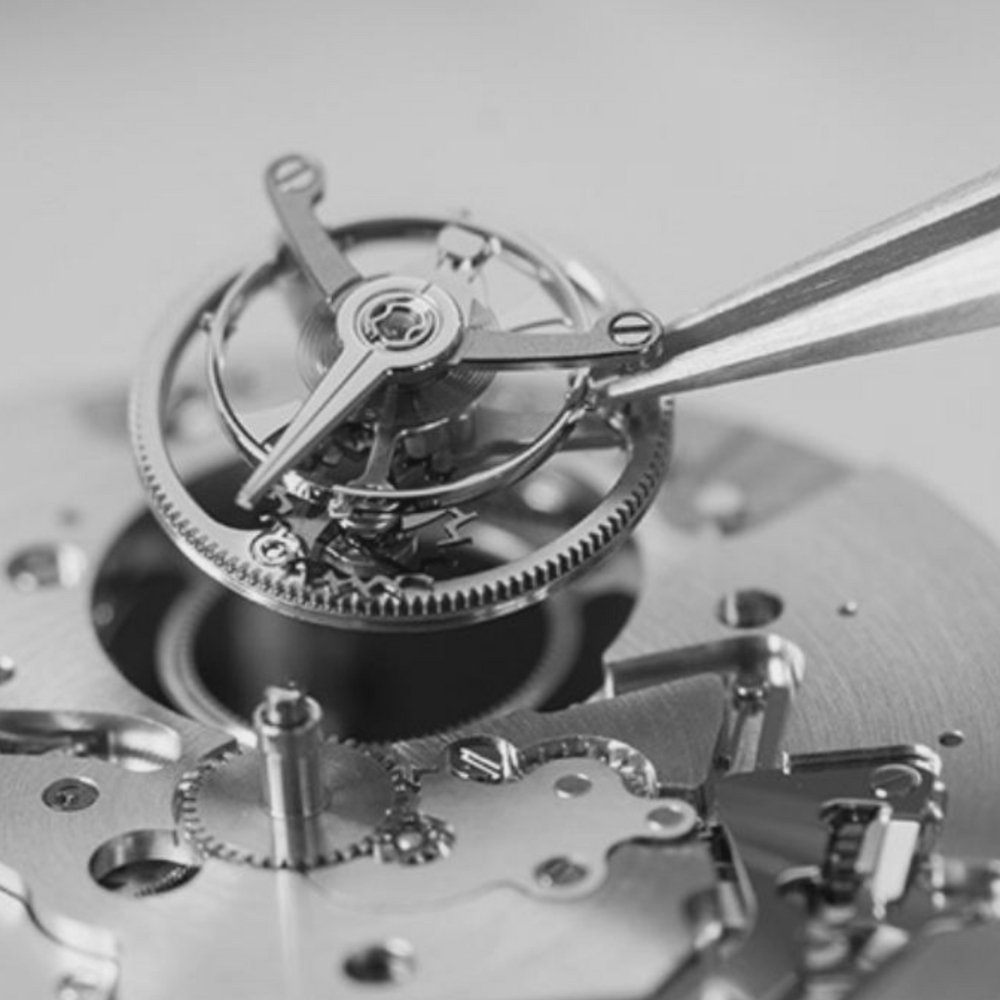

Rolex recommends servicing their watches every 10 years — but your watch doesn’t always wait that long to tell you something is wrong. If you’ve noticed anything unusual about your Rolex recently, don’t ignore it. Catching a problem early is always cheaper than a full repair later.
Regular servicing keeps your Rolex in pristine condition, allowing it to maintain its value and performance. When you invest in a luxury watch like a Rolex, you want to ensure that it lasts a lifetime and beyond. Servicing not only addresses mechanical issues but also involves cleaning and polishing the watch to keep it looking brand new.
In addition to maintaining functionality, regular servicing also enhances the aesthetic appeal of your Rolex. A clean and well-maintained watch reflects your personal style and attention to detail.
Understanding the importance of timely servicing can also add to the lifespan of your watch. Over time, the oils used in the movement can break down, leading to increased friction and wear on internal components.
If you suspect your watch might exhibit any of these issues, remember that your Rolex needs servicing to maintain its functionality and longevity. It’s essential to understand that a Rolex needs servicing.
Additionally, Rolex watches are intricate pieces of engineering. The craftsmanship involved in creating each watch means that they require specialized care and maintenance. Regular check-ups are recommended to ensure that everything is functioning as designed.
Understanding when Rolex needs servicing can help you avoid costly repairs down the line.
Here are 7 clear signs your Rolex needs a service. Being vigilant about these signs can save you from costly repairs in the future.
Why Rolex Needs Servicing
1. It’s Running Slow or Gaining Time
Furthermore, if left unaddressed, these timing issues can lead to more significant mechanical failures. Regular checks can help to catch these discrepancies early, ensuring your watch remains accurate.
For example, if you notice that your Rolex is consistently late, it may indicate that the watch is in urgent need of a service. You might also compare it with an accurate time source, like the atomic clock, to confirm this issue.
2. The Crown Feels Stiff, Sticky or Gritty
Additionally, if you notice any difficulty in winding your watch, it may lead to mechanical failure over time. Proper maintenance can prevent these issues from escalating.
Ignoring this sign can not only damage the movement but also can lead to costly repairs. It’s crucial to address these symptoms promptly.
This issue can result from prolonged exposure to moisture or contaminants. If you’re an active person who wears your Rolex during sports or outdoor activities, it’s crucial to inspect the crown regularly.
Look for small signs, such as unusual resistance or any grinding sounds, and remember that a well-maintained crown is vital for your watch’s longevity.
3. Visible Moisture or Condensation Under the Crystal
Moreover, if moisture gets trapped, it can lead to more severe damage, including rust and corrosion. Always prioritize immediate servicing when you see signs of moisture.
Taking action quickly can save your watch and maintain its value over time.
Being proactive means you can enjoy your Rolex without worrying about unexpected issues arising.
This can happen even if you’re careful about exposing your watch to water. If you frequently swim or shower with your watch on, ensure the seal is checked regularly to avoid this issue.
4. The Rotor Feels Rough or Makes Noise
In many cases, you can hear the rotor while moving your wrist, so be attentive to any changes in sound.
Many wearers may not realize how important the rotor is to the functionality of the watch, so it’s crucial to stay aware of how it operates.
If you notice any unusual sounds coming from your watch, it’s essential to take it seriously. The rotor is responsible for winding the movement, and any irregularities can lead to a need for servicing.
5. It Hasn’t Been Serviced in Over 5 Years
Additionally, if you notice a decline in performance, it may be time to revisit the importance of regular maintenance. Remember, it’s better to be safe than sorry when it comes to your investment.
Even if you’re diligent about checking for signs of wear, regular servicing is crucial. Over time, dust and debris can accumulate inside the movement, impacting performance.
What to Do Next
They provide expert services to ensure your watch is restored to optimal performance levels. Proactive maintenance pays off in the long run.
Finally, to make sure your investment continues to shine, keep an eye on your Rolex. If there are any indicators that your watch requires attention, don’t hesitate to act. Your Rolex deserves the best care, and regular servicing is crucial. Always keep in mind that Rolex needs servicing.
Remember: A well-maintained Rolex can last for generations, making it a wise investment. If you’ve learned anything from this guide, it’s that knowing when your Rolex needs servicing can save you time and money in the long run. Always trust the signs your watch presents to ensure it remains in excellent condition.
Don’t wait until it’s too late; make servicing your Rolex a priority. Regular care can significantly extend your watch’s life and enhance its overall value.
After addressing potential issues, make sure to prioritize your next steps. If you’ve noticed any of the above signs, bring your Rolex into Dynamis Watch Service for a thorough inspection.
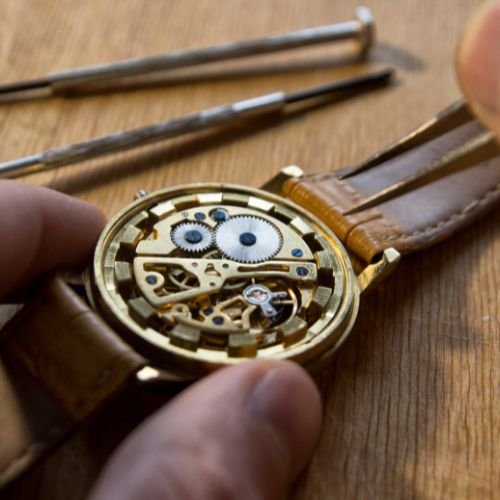
These indicators tell you that your Rolex needs servicing sooner rather than later.
1. It’s Running Slow or Gaining Time
A healthy Rolex movement should keep time to within a few seconds per day. If yours is consistently losing or gaining more than 10 seconds daily, the movement lubricants have likely dried out or degraded. This is the most common sign of a watch that needs a full mechanical service.
2. The Crown Feels Stiff, Sticky or Gritty
The crown — the small winding knob on the side — should turn and pull smoothly. If it feels rough, sticky, or harder to operate than usual, this is a sign that moisture, dust or debris has entered the case. Left untreated, this can cause serious damage to the movement.
When you see this, it’s a sure sign that your Rolex needs servicing immediately.
Don’t overlook any unusual noises, as they indicate your Rolex needs servicing now.
3. Visible Moisture or Condensation Under the Crystal
If you can see any fogging, condensation or water droplets under the watch glass, your water resistance seal has failed. This is urgent. Moisture inside the case will cause rapid corrosion to the movement. Stop wearing the watch and bring it in immediately.
Remember, if it hasn’t been serviced in a while, your Rolex needs servicing as soon as possible.
Being proactive means knowing when your Rolex needs servicing, which is key to its upkeep.
4. The Rotor Feels Rough or Makes Noise
Our experts are here to help when you realize your Rolex needs servicing.
On automatic Rolex models, the rotor spins silently as you move your wrist. If you can hear a grinding, scratching or rattling sound from inside the case, the rotor bearing is worn or debris has entered the movement. This needs professional attention before it causes further damage.
5. It Hasn’t Been Serviced in Over 5 Years
Even if your Rolex appears to be running perfectly, the lubricants inside the movement degrade over time regardless of use. A watch that hasn’t been serviced in 5 or more years is overdue — proactive servicing is always less costly than reactive repair.
What to Do Next
If you’ve noticed any of the above, bring your Rolex into Dynamis Watch Service inside Piccadilly Circus Underground Station. We offer a free inspection and written quote before any work begins. Our independent horologists service all Rolex models at a fraction of the authorised centre cost — with a 12-month guarantee on all work.
Walk in Monday to Friday, 10am–6pm. Unit 9, Piccadilly Circus Underground Station, London W1J 9HS.